There’s something different about a toothache at night. During the day, it might come and go—you notice it while eating or drinking something cold, then it fades into the background. But once everything quiets down and you’re trying to fall asleep, that same tooth can start to throb, pulse, or feel impossible to ignore.
It’s not just frustrating. When pain shows up like that, especially when it’s strong enough to keep you awake, it usually means something deeper is going on.
At Riverstone Dental Care in Coeur d’Alene, Post Falls, and Hayden, ID, we see this pattern often. A nighttime toothache isn’t random. There’s usually a reason it becomes more noticeable when you lie down, and understanding that can help you decide what to do next.
Why Tooth Pain Feels Worse at Night
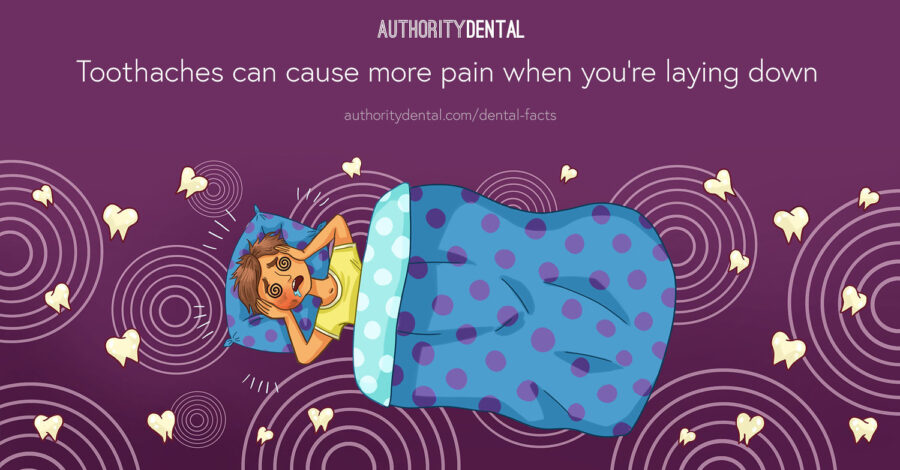
A toothache that intensifies at night isn’t your imagination. When you lie down, blood flow to your head increases slightly, which can add pressure to areas that are already inflamed. If a tooth is irritated or infected, that extra pressure tends to make the discomfort more noticeable.
At the same time, there’s less distraction. During the day, you’re talking, eating, and moving around. At night, everything is quiet, and your attention naturally shifts to whatever feels off. That combination—physical pressure and fewer distractions—is often what turns a mild ache into something that feels much more intense once you’re in bed.
When pain reaches the point where it’s interrupting sleep, it’s usually a sign that the issue has moved beyond something minor.
Common Causes of a Persistent Toothache
Not every toothache has the same cause, but when the pain lingers or gets worse over time, a few possibilities tend to come up more often.
One of the most common is tooth decay that has progressed beyond the surface. Early cavities don’t always cause discomfort, but as decay moves closer to the nerve, sensitivity can shift into a deeper, more consistent ache. In some cases, bacteria reach the inner portion of the tooth, leading to infection. That can create pressure inside the tooth, which often shows up as throbbing pain—especially at night.
Cracks in a tooth can also be part of the picture. These aren’t always visible, but they can cause pain when biting or releasing pressure. Over time, that irritation can become more constant, especially if the inner layers of the tooth are affected. Gum-related issues, such as localized inflammation or infection, can create similar discomfort, particularly if there’s swelling or tenderness in the area.
Because these conditions can feel similar at first, it’s not always easy to tell what’s causing the pain without an exam.
Signs It’s More Than Just Temporary Sensitivity
There’s a noticeable difference between quick sensitivity and a toothache that keeps coming back. If the pain lingers after eating or drinking, wakes you up at night, or feels like a steady throbbing instead of a brief reaction, it’s usually worth having it checked.
Other signs can include sensitivity to pressure when biting, swelling around the tooth or gums, or even a bad taste that doesn’t go away. Even if the discomfort comes and goes, that doesn’t necessarily mean the problem is resolving. In many cases, it’s simply changing or progressing, which can make it easier to ignore in the short term but more complicated to treat later on.
What You Can Do in the Moment
If you’re dealing with a toothache at night, the goal is to reduce discomfort enough to get through it until you can be seen. Keeping your head elevated while lying down can help reduce pressure and make the pain feel less intense. Over-the-counter pain relievers may also help, as long as they’re used as directed.
Rinsing with warm salt water can provide temporary relief, especially if the surrounding gum tissue is irritated. It’s also a good idea to avoid very hot, cold, or sugary foods, since those can make sensitivity worse. While these steps can take the edge off, they don’t address the cause of the pain, so they’re best thought of as short-term solutions.
How Treatment Depends on the Cause
The next step depends on what’s actually causing the toothache, and that can vary more than people expect. If the issue is a cavity, treatment may involve removing the decay and placing a filling or crown, depending on how much of the tooth is affected. If the inner portion of the tooth is involved, a root canal may be needed to remove the infection and relieve the pressure.
Cracked teeth are treated based on the extent of the damage, which may involve protecting the tooth with a crown or addressing deeper issues if the crack extends further. Gum-related problems may require targeted cleaning or treatment to reduce inflammation and allow the area to heal.
In most cases, identifying the problem early keeps treatment more straightforward and helps prevent it from turning into something more involved.
Why It’s Better Not to Wait
Toothaches rarely resolve on their own once they’ve reached the point of keeping you up at night. While the pain may ease temporarily, the underlying issue is usually still there.
Over time, that can lead to more damage, increased discomfort, or infection that spreads beyond the tooth. Addressing the problem earlier typically means fewer steps, less time in the chair, and a more predictable outcome overall.
Toothache Relief in Coeur d’Alene, Post Falls, and Hayden, ID
At Riverstone Dental Care in Coeur d’Alene, Post Falls, and Hayden, ID, our team focuses on identifying the cause of tooth pain and helping patients find relief as quickly as possible.
If you’ve been dealing with a nagging toothache—especially one that’s keeping you up at night—it’s worth getting it checked sooner rather than later. You can call to schedule an appointment or come in for an evaluation so we can take a closer look and walk you through your options.
Image from Authority Dental under CC 2.0