
When you notice bleeding gums or start seeing signs of gingivitis, it is natural to look for ways to reverse it before the problem gets worse. You may read about changing your toothbrush, flossing more often, scheduling a cleaning, or adding a mouthwash meant for gum health.
Early gingivitis can often improve because the inflammation is still limited to the gums. The question is which steps actually remove the plaque causing that irritation, and where mouthwash belongs in the routine.
Mouthwash can be helpful, particularly as an add-on to regular brushing and flossing. However, plaque tends to hold along the gumline and between teeth, so reversing gingivitis usually requires more than rinsing. The rest of the routine needs to reach those areas directly.
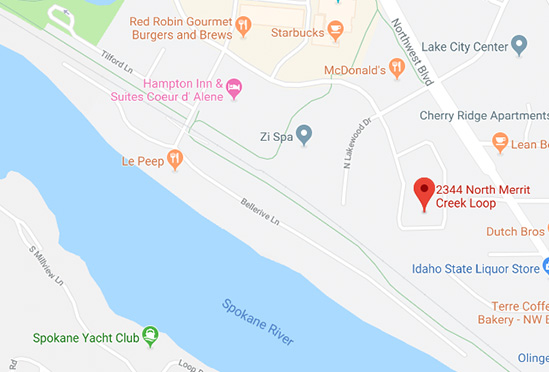
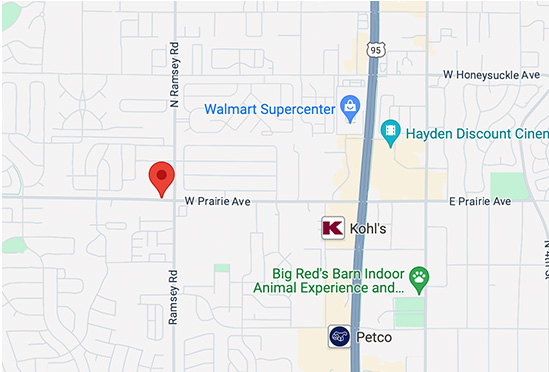
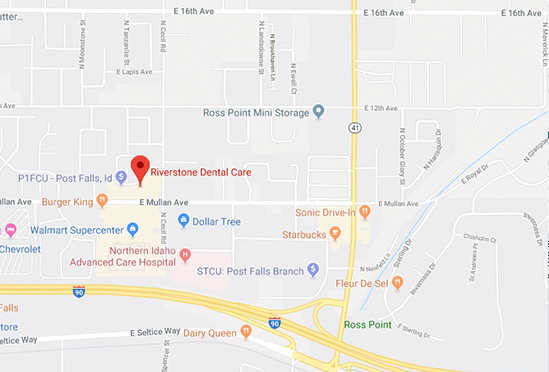
At Riverstone Dental Care in Coeur d’Alene, Post Falls, and Hayden, ID, the team can check whether your gums are dealing with early gingivitis, tartar buildup, or a concern that needs more focused care.
What Early Gingivitis Can Look Like at Home
Gingivitis often shows up in fairly ordinary ways. You might see a little blood when you spit after brushing. Floss may come out pink around the same few teeth. Your gums may look a little redder near the edges, especially around the molars, or feel tender when you clean one particular area.
Bad breath can also be part of the picture. So can a taste that seems to return soon after brushing. None of those signs automatically tell you exactly what is going on, but they can point to plaque sitting near the gums longer than it should.
Plaque is a soft, sticky film that forms on teeth every day. It gathers where the tooth meets the gum and in the narrow spaces between teeth. When it stays there, the gums react. They become irritated, swollen, and more likely to bleed.
That is why early gingivitis is often reversible. Plaque can still be removed with good daily care before it hardens into tartar. Once tartar forms, though, you need a professional cleaning to get it off.
Why Reversing Gingivitis Starts With Plaque Removal
Mouthwash can reduce bacteria in the mouth, but it does not physically remove the film stuck to the teeth. That part comes from brushing and cleaning between teeth.
Think about the gumline after a long day. Food, bacteria, and plaque can settle around the edges of teeth, particularly in places that are harder to reach. A rinse may freshen the mouth, yet it cannot scrub those areas clean.
That is why a person may use mouthwash every day and still have gums that bleed. The rinse may be helping in one way, but plaque can still be left behind where the gums are inflamed.
For early gingivitis, the real work is usually simple but specific: brush carefully where the gums meet the teeth, then clean between the teeth once a day. Mouthwash can support that routine, but it cannot replace either step.
Brushing Near the Gumline Is Often the First Change to Make
When gums bleed, it is tempting to brush harder. Usually, a harder brush or more pressure is not what helps. It can leave the gums feeling sore while still missing the plaque near the edges of the teeth.
Instead, use a soft-bristled toothbrush and slow down around the gumline. Angle the bristles gently toward the gums, then move around each tooth rather than making a quick sweep across the visible surfaces.
The front teeth tend to get the most attention because they are easy to see in the mirror. Meanwhile, the back molars and inside surfaces can get rushed. The tongue side of the lower front teeth is another area where buildup often collects.
An electric toothbrush can make this easier for some people because it helps with timing and motion. A manual toothbrush can work well too. The bigger issue is whether the gumline is getting enough attention twice a day.
A useful habit is to divide the mouth into sections and spend a little time in each one. That keeps brushing from turning into a fast pass over the teeth you see first.
C-Shape Flossing Reaches the Sides of Teeth
A toothbrush does not clean between teeth very well. Those spaces are narrow, and they are also common places for plaque to build up.
Floss works best when it wraps around the side of each tooth. Slide the floss gently between two teeth, curve it into a C-shape against one tooth, and move it up and down a few times. Then curve it around the tooth beside it and repeat.
That motion helps clean the sides of the teeth and the area near the gumline. Simply snapping floss down and pulling it back out may irritate the gums without removing much plaque.
If you have not flossed regularly in a while, bleeding may seem worse at first. That does not necessarily mean flossing is causing a problem. More often, it means you are finally cleaning gums that were already inflamed.
Keep the pressure gentle and stay consistent. Over the next few weeks, gums often bleed less as the plaque buildup is disrupted more regularly.
For some people, traditional floss is not the easiest option. Interdental brushes may work better around bridges, implants, braces, or wider spaces. A water flosser can also be a useful addition. The best choice is the one you can use every day without making it a struggle.
Where Mouthwash Fits Into a Gum-Care Routine
Mouthwash can be a useful extra step after brushing and flossing. Depending on the product, it may help with bacteria, bad breath, dry mouth, cavity prevention, or gum irritation.
However, not every mouthwash does the same thing. Some are mainly for fresh breath. Others are designed for specific dental concerns. A bottle that feels strong or has a sharp taste is not automatically doing more for your gums.
For someone with early gingivitis, mouthwash is usually most helpful when the main routine is already in place. Brush along the gingival margin. Clean between the teeth. Then use a rinse if it works well for your needs or your dentist has recommended one.
It can be helpful to think of mouthwash as a finishing step rather than the main treatment. It supports cleaner conditions in the mouth, but it does not take plaque off the tooth surfaces for you.
If you are not sure which kind to use, ask at your next appointment. Your dentist may suggest something based on your gum health, cavity risk, dry mouth, dental work, or medical history.
A Simple Routine Can Go a Long Way
Early gingivitis does not usually require a shelf full of new products. Most people benefit more from doing a few basic things thoroughly.
A solid routine may include:
- Brushing twice a day with a soft-bristled toothbrush
- Aiming the bristles along the gumline
- Cleaning between teeth once a day
- Using mouthwash as an added step when it fits your needs
- Staying on schedule with professional cleanings
The key is keeping the routine going long enough for the gums to respond. One very careful night of brushing after seeing blood in the sink will not change much. A few weeks of cleaning the same areas well each day can.
It also helps to pay attention to the spots that keep bleeding. If one area always seems irritated, it may need more careful brushing, better flossing technique, or a closer look from your dental team.
Tartar Can Keep Gums From Improving at Home
Plaque is soft, so you can brush and floss it away. Tartar is hardened plaque. Once it forms, it sticks to the teeth and cannot be removed at home with a toothbrush, floss, or mouthwash.
Tartar often collects near the gumline, behind lower front teeth, and around back molars. It can also sit below the gums, where you may not see it or feel it easily.
This is one reason a person can improve their routine but still keep seeing bleeding in the same areas. The better brushing is helping prevent new buildup, but the tartar already there is still holding bacteria close to the gums.
A professional cleaning removes that hardened buildup. After that, brushing and flossing have a better chance of keeping the gums calmer between visits.
If it has been a while since your last cleaning, or if bleeding continues despite a more careful routine, tartar may be part of the problem.
How Long Can It Take for Gingivitis to Improve?
When early gingivitis is tied to plaque buildup, many people begin noticing changes within a few weeks of consistent brushing and flossing. Less bleeding is often one of the first things to improve.
The gums may also look less puffy and feel less tender when you brush or floss. Breath may seem fresher too, especially when plaque buildup had been contributing to the problem.
Still, every mouth is different. Crowded teeth, dry mouth, tobacco use, old dental work, medication changes, and tartar buildup can all make gum irritation harder to get under control.
Give a better routine enough time to work, but do not keep guessing for months. When the same spots are still bleeding after a few weeks, it is worth calling the office to find out what may be getting in the way.
When Bleeding Gums Need a Dental Visit
Bleeding gums are worth bringing up during a dental visit, especially when they keep coming back. You should also call if your gums stay swollen, pull back from the teeth, feel tender, or come with a persistent bad taste or bad breath.
Other signs to mention include teeth that feel different when you bite, loose dental work, or food that keeps getting caught around the same tooth. Sometimes an old filling, crown edge, or crowded area is creating a spot where plaque builds up more easily.
Gum problems do not always cause sharp pain. A person can have red, bleeding gums for quite a while without feeling much discomfort, which is one reason it is easy to put off.
An exam can help sort out whether you are dealing with early gingivitis, tartar buildup, or gum disease that needs a different level of care.
Can Mouthwash Reverse Stage 1 Gingivitis in Coeur d’Alene, Post Falls, and Hayden, ID?
Mouthwash can be a good addition to a solid brushing and flossing routine, but it is not usually the main thing that reverses stage 1 gingivitis. The bigger change comes from brushing carefully along the gingival margin and cleaning between teeth every day with C-shape flossing or another tool that works for you.
At Riverstone Dental Care in Coeur d’Alene, Post Falls, and Hayden, ID, the team can check why your gums are bleeding and help you decide whether a stronger home routine, a professional cleaning, or periodontal care is the right next step. Call to schedule a visit if your gums remain swollen, bleed regularly, or have not improved after a few weeks of more careful brushing and flossing.