If you have ever experienced jaw pain, clicking, or stiffness, you may have searched for ways to check whether something is wrong. One simple at-home method people often mention is the “3 finger test” for TMJ. But what does it actually tell you?
The 3 finger test for TMJ is a quick way to assess how wide your mouth can comfortably open. It is not a diagnosis. However, it can help identify potential jaw restriction that may be associated with temporomandibular joint disorder, commonly referred to as TMJ or TMD.
At Riverstone Dental Care, serving Coeur d’Alene, Post Falls, and Hayden, ID, our dental team evaluates jaw discomfort and bite issues regularly. If jaw movement feels limited or painful, a professional exam can determine the underlying cause.
Understanding TMJ and Jaw Function
The temporomandibular joints connect your lower jaw to your skull. You have one on each side of your face, just in front of your ears. These joints allow you to talk, chew, yawn, and open your mouth smoothly.
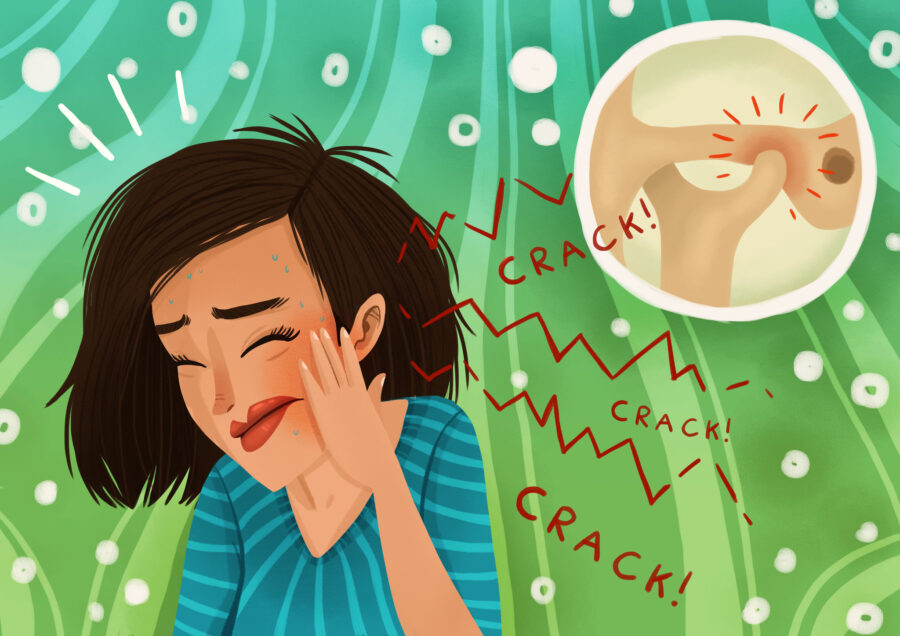
When the joint or surrounding muscles become irritated or strained, you may experience symptoms such as:
- Jaw pain or soreness
- Clicking or popping sounds
- Headaches
- Ear discomfort
- Difficulty opening your mouth fully
TMJ disorders can develop from clenching, grinding, stress, injury, or bite misalignment.
How the 3 Finger Test Works
The 3 finger test is straightforward. To perform it:
- Place your index, middle, and ring fingers vertically between your upper and lower front teeth
- Try to open your mouth wide enough to fit all three fingers comfortably
For most adults, fitting three fingers stacked vertically between the front teeth suggests normal jaw opening range. If you can only fit two fingers, or if the movement causes pain, stiffness, or resistance, it may indicate restricted jaw mobility.
That said, hand size varies. This test is a general guideline, not a precise measurement. It cannot confirm TMJ disorder on its own.
What Limited Jaw Opening Might Mean
If you cannot comfortably fit three fingers between your teeth, several possibilities exist.
It could indicate:
- Muscle tightness from clenching or grinding
- Joint inflammation
- Disc displacement within the joint
- Arthritis affecting the joint
- Stress-related tension
Pain, locking, or recurring jaw fatigue should not be ignored. While occasional stiffness may resolve on its own, persistent symptoms deserve evaluation.
When to Schedule a TMJ Evaluation
The 3 finger test can serve as an early signal, but it does not replace a professional assessment.
You should consider scheduling an appointment if you experience:
- Ongoing jaw pain
- Frequent headaches or facial soreness
- Clicking accompanied by discomfort
- Difficulty chewing
- Jaw locking or catching
During a TMJ evaluation, your dentist will assess jaw movement, muscle tenderness, bite alignment, and joint function. Imaging may be recommended if needed.
Treatment options vary depending on the cause. They may include custom nightguards, bite adjustments, physical therapy exercises, or other conservative approaches.
What Is the 3 Finger Test for TMJ at Riverstone Dental Care in Coeur d’Alene, Post Falls, and Hayden, ID?
The 3 finger test for TMJ is a simple way to check whether your jaw opens within a typical range. While it can provide a helpful reference point, it is not a substitute for a clinical diagnosis.
If you are experiencing jaw discomfort, limited opening, or other TMJ-related symptoms, the team at Riverstone Dental Care serving Coeur d’Alene, Post Falls, and Hayden, ID can help determine the cause and recommend appropriate treatment options.
Contact Riverstone Dental Care to schedule an evaluation. A professional assessment can help restore comfortable jaw function and protect your long-term oral health.
Image from Authority Dental under CC 2.0