Dentures can change so gradually that you start adjusting your habits before you ever think of the denture itself as the problem. You take smaller bites, reach for the adhesive a little earlier in the day, or stop ordering foods that used to be easy. After a while, the appliance that once faded into the background starts demanding attention at every meal.
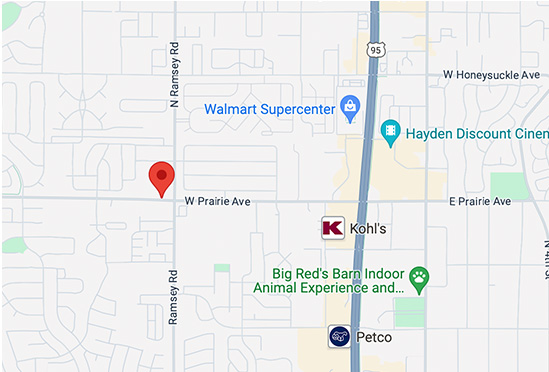
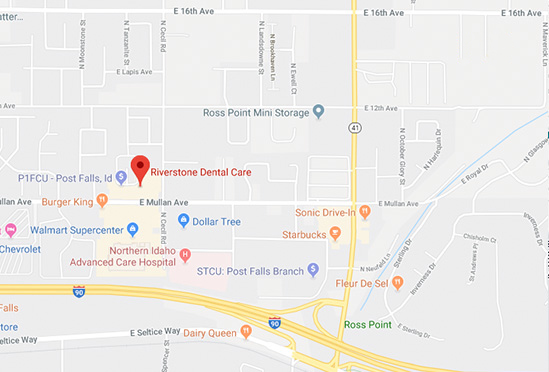
At Riverstone Dental Care, we help patients in Coeur d’Alene, Post Falls, and Hayden, Idaho, figure out what has changed when dentures start slipping, rubbing, or making chewing harder. Sometimes the fit can be improved with an adjustment or reline. When the teeth, base, or bite have worn down too far, a new denture may make more sense.
Your Denture Keeps Slipping
A denture may start moving when you speak, laugh, or take a bite of something firmer. You may catch yourself pressing it back into place with your tongue or pausing mid-meal because it shifted again. Once that starts happening regularly, the denture is probably not fitting as closely as it used to.
The gums and bone beneath a denture continue to change over time. As those tissues reshape, the denture can lose the close contact it had when it was first made. We can check how much movement there is and whether a reline, adjustment, or replacement would give you a steadier fit.
Certain foods tend to make the problem obvious pretty quickly. Corn on the cob, crusty bread, nuts, or a tougher piece of meat may suddenly feel like more work than they used to. If the denture starts lifting, rocking, or losing suction with those foods, the fit has probably changed.
You Are Reaching for More Adhesive
Adhesive can help some dentures feel more secure, but needing more of it over time can point to a fit that has changed. You may start applying it more than once a day or notice food still sneaking underneath even after adding extra. At that point, the adhesive is doing more and more of the heavy lifting.
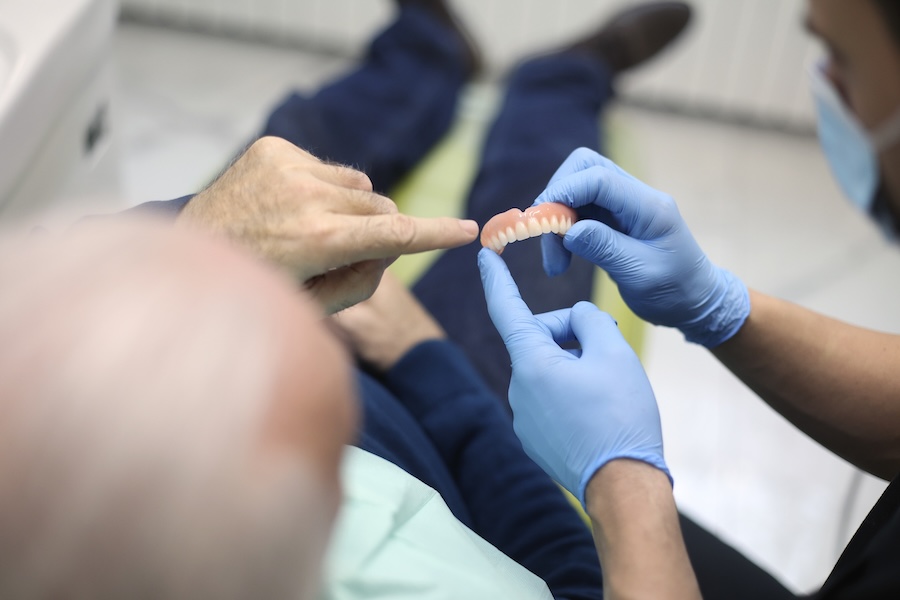
During an exam, we can check how the denture sits against the gums and how much it moves when you bite. A reline may help if the base still has a good overall shape but no longer hugs the tissues closely. If the denture has changed along with the bite or teeth, replacement may give you a better result.
If you are using more adhesive now than you were a year ago, there is usually a reason. The denture may have loosened enough that adhesive is only helping for part of the day. We can check whether the fit itself needs to be corrected.
Sore Spots Keep Coming Back
A recurring sore spot can make the denture harder to tolerate as the day goes on. Maybe it starts after a long meal, or maybe the denture begins rubbing before lunch now when it used to make it comfortably through the whole day. You may even find yourself taking it out as soon as you get home just to give the tissue a break.
We can look at the irritated area and match it to the part of the denture putting pressure there. Sometimes a small adjustment is enough. If the denture has shifted more broadly, one sore spot may disappear only for another one to show up somewhere else.
Avoid filing or grinding the denture yourself. Removing material from the wrong area can create a new pressure point or make the appliance rock even more. A small sore spot is much easier to fix when we can see exactly where the pressure is coming from.
The Teeth Have Worn Down
Denture teeth take years of chewing, and eventually their shape can flatten or wear unevenly. That can change how the upper and lower teeth meet and make certain foods harder to break down. You may notice you are chewing longer, avoiding one side, or leaving behind foods you used to eat without thinking much about it.
Worn denture teeth can also change the way the jaw closes. The bite may feel lower, less balanced, or like the teeth no longer meet where you expect them to. We look at the wear on the teeth along with the denture base to see how much has changed.
If the teeth are heavily worn and the fit has also loosened, a new denture can improve chewing and bring the bite back into a more comfortable position. It may also help the denture feel steadier during meals. When both the teeth and the base have changed, replacing the appliance can solve several problems at once.
The Denture Has Cracks or Keeps Breaking
A crack in the pink base, a loose tooth, or a rough edge can turn into a bigger problem with continued chewing. Even if the denture still feels wearable, pressure keeps traveling through that weakened area every time you bite. Save any broken pieces and bring the appliance in so we can see what happened.
If the same area keeps cracking or teeth keep coming loose, we want to know why. The appliance may be flexing, the bite may be uneven, or the base may no longer fit the tissues the way it once did. Fixing the visible break again may only buy more time if the same pressure keeps hitting that spot.
We can compare another repair with replacing the denture altogether. Sometimes a new appliance makes more sense than fixing the same problem again and again. It also gives us a chance to improve the fit and bite at the same time.
Eating Has Become More Complicated
You may notice that certain foods have become a hassle. Maybe you cut everything smaller, chew almost entirely on one side, or skip foods you know will make the denture move. After a while, those adjustments can start feeling normal.
Maybe you press the lower denture back into place halfway through a meal or order softer food when you go out because it is easier. You may pass on corn on the cob, nuts, or a steak you would have chosen without hesitation a few years ago. If you are planning meals around what the denture can handle, the fit may need some attention.
Chewing, speaking, and comfort throughout the day tell us a lot about how well the denture is working. We can compare that with the fit of the appliance and the condition of the tissues underneath. That gives us a better idea of whether an adjustment, reline, or replacement makes sense.
New Dentures at Riverstone Dental Care in North Idaho
A denture can still look intact and be giving you plenty of trouble. Slipping, recurring sore spots, heavier adhesive use, worn teeth, and repeated repairs can all point to an appliance that has changed along with your mouth. We can look at the denture, the tissues underneath, and the way your bite comes together before recommending an adjustment, reline, or replacement.
If meals have turned into smaller bites, extra adhesive, or constant little adjustments with your tongue, schedule a visit with Riverstone Dental Care in Coeur d’Alene, Post Falls, or Hayden. We’ll help you figure out what has changed and make eating, talking, and wearing your dentures feel easier again!