
A tooth that hurts can make you oddly aware of your own mouth. Cold water suddenly feels like a test. Chewing on one side becomes a habit without you meaning to start one. Then you begin wondering whether it is just sensitivity, a cavity, or something that is going to turn into a much bigger problem if you wait too long.
The tricky part is that cavities and sensitivity can feel similar at first. Both can react to cold. Both can make eating less comfortable. Both can come and go enough to make you question whether you should call the dentist or just give it a few more days. However, the pattern of the pain often gives useful clues.
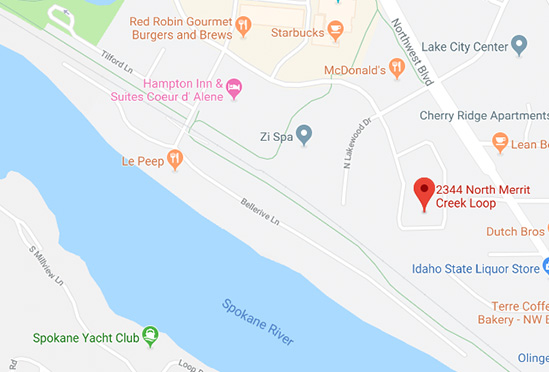
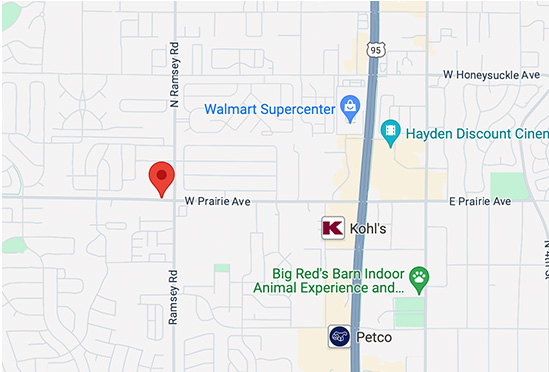
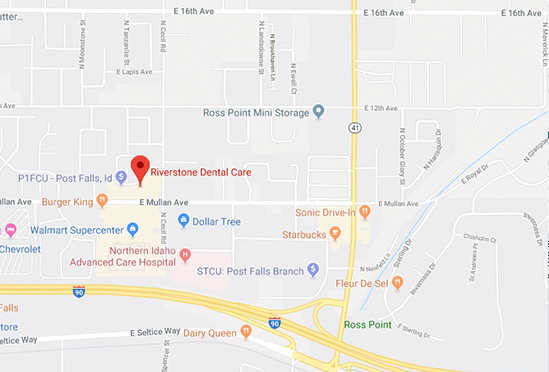
At Riverstone Dental Care, with locations serving Coeur d’Alene, Post Falls, and Hayden, ID, the team helps patients figure out what is behind tooth pain instead of guessing. If your toothache is new, getting worse, or changing how you eat, a dental exam can help determine whether you are dealing with a cavity, sensitivity, a cracked tooth, gum recession, or another concern.
Why Tooth Pain Can Be Hard to Read
Teeth are small, but they can be surprisingly loud when something irritates them. The nerve inside each tooth can react to temperature, pressure, sugar, air, inflammation, decay, cracks, or exposed root surfaces. Unfortunately, the tooth does not hand you a neat label that says “cavity” or “sensitivity.”
That is why location, timing, and triggers are helpful. Does the pain happen only with cold drinks? Does it disappear quickly? Does it linger after you eat something sweet? Does chewing make it worse? Is the discomfort in one tooth or several teeth?
Sensitivity often affects multiple teeth or certain areas where enamel is thin or roots are exposed. Cavities, on the other hand, are often more specific to one tooth or one spot. Still, there are exceptions, and that is where an exam becomes important.
Pain is information, but it is not always the full answer. X-rays, a visual exam, bite checks, and testing the tooth can help the Riverstone Dental Care team find the cause and recommend the right treatment.
What Tooth Sensitivity Usually Feels Like
Tooth sensitivity often feels like a quick, sharp zing. It may happen when you drink something cold, breathe in chilly air, eat something sweet, or brush near the gumline. The feeling is usually fast and fades once the trigger is gone.
Sensitivity can happen when enamel wears down or when gums recede and expose the root surface. Roots do not have the same hard enamel covering as the top part of the tooth, so they can react more easily to temperature and touch.
You may notice sensitivity on several teeth, especially near the gumline. It may also show up after whitening, after a dental cleaning, or during cold weather. Some people feel it more when brushing with firm pressure or using a toothpaste that is too abrasive.
Mild sensitivity is common, but it should still be watched. If the pain becomes stronger, starts lingering, or stays focused on one tooth, it may be more than simple sensitivity.
What a Cavity Toothache Often Feels Like
A cavity starts when bacteria weaken the enamel and create a small damaged area in the tooth. Early cavities may not hurt at all. As decay gets deeper, the tooth may begin reacting to sweets, cold drinks, biting pressure, or even no obvious trigger.
A cavity-related toothache is often more specific than general sensitivity. You may be able to point to one tooth or one side of the mouth. The pain may feel sharp, dull, throbbing, or tender depending on how deep the decay has gone.
One clue is lingering discomfort. If cold water hurts and the ache sticks around after the drink is gone, the nerve may be more irritated. If sweets cause a strong reaction, decay may be involved. If chewing on that tooth hurts, the cavity may be deep, the tooth may be cracked, or the filling may be failing.
Cavities do not always announce themselves early. That is why a tooth can feel fine one month and then become sensitive later. Once the tooth starts complaining, it is time to find out how far the decay has gone.
Cold Sensitivity: When It Is Mild and When It Needs a Look
Cold sensitivity is one of the most common reasons people wonder whether they have a cavity. A quick sting from ice water may come from exposed roots, enamel wear, whitening, gum recession, or a small area of irritation.
If the cold sensitivity is brief and happens in several teeth, sensitivity may be the likely cause. For example, if cold air hits your front teeth while walking outside, or cold water briefly zings near the gumline, that may point to exposed dentin rather than decay.
However, if one tooth reacts strongly to cold, or if the ache lingers after the cold is gone, it should be checked. Lingering cold pain can mean the nerve inside the tooth is inflamed. A deep cavity, crack, or old filling issue could be involved.
A good rule is to pay attention to recovery time. A quick zap that disappears is different from a tooth that keeps aching after the trigger is gone. Teeth that hold onto pain deserve a closer look.
Sweet Sensitivity Can Point Toward Decay
Sensitivity to sweets can be an important clue. If candy, soda, sweet coffee, or dessert causes a sharp spot of pain in one tooth, a cavity may be involved.
Sugar can irritate areas where enamel has been weakened or where decay has created a small opening. The pain may be quick at first, but as the cavity grows, it may become more frequent or more intense.
That said, sweets are not the only cause of tooth discomfort. Gum recession, worn enamel, or exposed dentin can also react. However, sweet sensitivity that feels focused in one tooth should not be ignored.
If you find yourself avoiding sweets on one side of your mouth or chewing carefully around a certain tooth, schedule a dental visit. A smaller cavity is usually easier to treat than one that has been given more time to deepen.
Pain When Chewing Is a Different Kind of Clue
Pain when chewing can come from several issues, including a cavity, cracked tooth, high filling, gum inflammation, abscess, or bite problem. This type of discomfort is worth checking because it often means the tooth is reacting to pressure, not just temperature.
A cavity can cause chewing pain when decay weakens the tooth or gets close to the nerve. You may feel tenderness when biting down on food, especially something firm or crunchy.
A cracked tooth can feel similar. Sometimes the pain happens when you bite down. Other times it happens when you release the bite. Cracks can be hard to see without a dental exam, and they do not always show clearly in the mirror.
If chewing pain continues for more than a day or two, or if you are avoiding that side of your mouth, call Riverstone Dental Care. Your mouth is already telling you that the tooth needs attention.
Gum Recession Can Make Teeth Feel Sensitive
Sometimes the problem is not a cavity in the tooth but exposure near the gumline. When gums recede, the root surface can become exposed. This area is more sensitive because it is not protected by enamel.
Gum recession may happen from aggressive brushing, gum disease, clenching, genetics, orthodontic movement, or normal wear over time. It can make teeth sensitive to cold, brushing, touch, and sometimes sweet foods.
You may notice a notch near the gumline, teeth that look longer, or sensitivity when the toothbrush touches a specific area. This can feel like a cavity, but the treatment may be different.
Depending on the cause, the dental team may recommend a gentler brushing technique, sensitivity toothpaste, fluoride treatment, bonding over exposed root surfaces, gum therapy, or other care. The right option depends on what is causing the recession and how uncomfortable the tooth feels.
Whitening, Brushing, and Everyday Sensitivity Triggers
Not every sensitive tooth has decay. Whitening can temporarily make teeth more reactive, especially to cold. The same can happen after a dental cleaning if there was buildup near the gumline or if the gums were already inflamed.
Brushing too hard can also contribute to sensitivity. A firm toothbrush or heavy hand can wear at the gumline and irritate the gums. Over time, this can expose more sensitive areas of the teeth.
Acidic foods and drinks can add to the problem too. Citrus, soda, energy drinks, vinegar-based foods, and frequent sipping can soften enamel and make teeth feel more sensitive. Then brushing right afterward can be rougher on the enamel surface.
If sensitivity seems linked to whitening, brushing habits, or acidic drinks, changes at home may help. However, if one tooth keeps reacting or the pain lingers, it is better to have it checked before assuming it is harmless.
When a Toothache May Be an Emergency
Some toothaches can wait for a scheduled appointment, but others need urgent attention. Severe pain, swelling, fever, facial swelling, pus, a bad taste, or pain that wakes you up can all point to infection or a more serious problem.
A dental abscess can form when bacteria reach the inner part of the tooth or the surrounding bone. The pain may be throbbing, constant, or worse when lying down. You may also notice swelling in the gums, jaw, or face.
If swelling affects your face, eye area, throat, breathing, or swallowing, seek urgent care right away. Dental infections can spread, and they should not be treated like a routine toothache.
For intense tooth pain, swelling, or signs of infection, contact Riverstone Dental Care as soon as possible. Fast treatment can help protect your health and may give the tooth a better chance of being saved.
Why Waiting Can Make Treatment More Involved
A small cavity may only need a filling. A deeper cavity may need a crown or root canal. If decay reaches too far or infection damages the tooth badly, extraction may become part of the conversation.
That is why waiting is risky when pain keeps returning. Toothaches rarely improve for good when the cause is decay, a crack, or infection. The tooth may calm down for a while, but the underlying issue can continue.
Sensitivity can also get worse if the cause is not addressed. Exposed roots, grinding, acid wear, or gum disease may continue irritating the teeth over time.
Calling early does not mean you are signing up for major treatment. It simply gives the dental team a chance to find the problem while it may still be easier to manage.
What Happens During a Dental Exam for Tooth Pain
When you visit Riverstone Dental Care for a toothache or sensitivity, the team will ask about your symptoms. Be ready to describe when it hurts, what triggers it, how long the pain lasts, and whether it is one tooth or several.
The dentist may examine the tooth, check your gums, look for decay or cracks, test cold sensitivity, tap on the tooth, check your bite, and take X-rays if needed. These steps help narrow down the cause.
If the issue is sensitivity, treatment may involve sensitivity toothpaste, changes in brushing technique, fluoride treatment, bonding, or addressing gum recession. If it is a cavity, the dentist can explain whether a filling, crown, or other treatment is needed.
The goal is to get you out of the guessing game. Once you know what is causing the discomfort, the next step becomes much clearer.
What You Can Do at Home Until Your Appointment
While waiting for your appointment, try to avoid triggers that make the tooth hurt. If cold drinks bother the tooth, choose room-temperature water for now. If chewing hurts, avoid that side and stick with softer foods.
Brush gently with a soft toothbrush, especially near the gumline. If sensitivity is widespread, a toothpaste made for sensitive teeth may help, but it can take time to work.
Avoid very sweet, acidic, or hard foods if they trigger pain. Also, do not place aspirin directly on the tooth or gum tissue. It can burn the tissue and will not fix the cause of the pain.
These steps may help you stay more comfortable, but they are not a substitute for an exam if the pain is new, worsening, lingering, or focused on one tooth.
Toothache or Sensitivity in Coeur d’Alene, Post Falls, and Hayden, ID
A toothache can come from a cavity, but it can also come from sensitivity, gum recession, a crack, an old filling, clenching, or infection. The pattern of the pain can offer clues, but a dental exam is the best way to know what is really happening.
At Riverstone Dental Care, our team of dentists serves patients in Coeur d’Alene, Post Falls, and Hayden, ID. Whether your tooth reacts to cold, hurts when chewing, feels sensitive near the gumline, or keeps aching without a clear reason, the team can evaluate the problem and explain your options.
If you are trying to decide whether your toothache is a cavity or sensitivity, schedule a visit with Riverstone Dental Care. Getting answers early can help you avoid more discomfort and keep treatment as simple as possible.
FAQs
How can I tell if my toothache is a cavity or sensitivity? Sensitivity often feels like a quick zing that fades after the trigger is gone. A cavity may cause pain in one specific tooth, sensitivity to sweets, lingering cold pain, or discomfort when chewing.
Can tooth sensitivity go away on its own? Mild sensitivity may improve with better brushing habits, sensitivity toothpaste, or avoiding triggers. However, sensitivity that lingers, worsens, or affects one tooth should be checked.
Does cold sensitivity always mean a cavity? No. Cold sensitivity can come from gum recession, enamel wear, whitening, brushing too hard, or exposed roots. If one tooth reacts strongly or the pain lingers, schedule an exam.
Why does my tooth hurt when I chew? Chewing pain can come from a cavity, crack, high filling, gum inflammation, abscess, or bite problem. It should be evaluated if it continues.
When is a toothache an emergency? Severe pain, swelling, fever, pus, facial swelling, or trouble breathing or swallowing should be treated urgently. These may be signs of infection.
What should I do before my dental appointment? Avoid triggers, chew on the other side, brush gently, use sensitivity toothpaste if appropriate, and avoid placing aspirin directly on the gums or tooth.
Image from Authority Dental under CC 2.0